OUR STORY
The Unseen Impact of Construction on Our Climate.
Let’s look at how the emissions generated from the built environment are reshaping our natural environment.




















Building our homes contributes to CO2 emissions.
Building a 150 m2 apartment yields about
75 tons of CO2
(Lee, 2012)
(Moseman, 2022)
Embodied Carbon
Embodied Carbon
/ɪmˈbɒd.id ˈkɑːbən/ (noun)
Embodied carbon is emitted during the entire life-cycle of a building, including construction materials and products, spanning extraction, manufacturing, transportation, installation, maintenance, and disposal (Cao, 2017). It refers to the way a building is constructed rather than how it is used (Habash, 2022).
The building and construction sector, comprised of both operational and embodied carbon, contributes to an astounding 38.8% of global carbon emissions - making it the single largest industrial contributor to greenhouses gas (GHG) emissions.
GHG emissions are the main cause of climate change. (UNU EHS). GHG emissions contribute about 85% of the annual increase of total global warming (Polunin, N. 2009).
These emissions trap heat within Earth’s atmosphere, leading to global warming followed by climate change, and ultimately climate disasters.
TEMPERATURE INCREASE
Greenhouse gas emissions are the main reason for global temperatures rising. In 2024, global temperatures increased by 1.5°C above the 20th-century average (UNEP).
1.5°C

WARMING UP TO CHAOS
Temperature increase fuels climate disasters
Annually, on average, more than 340 climate disasters occur causing more than 65,000 deaths (EM-DAT).

What happens if we continue this way?
TEMPERATURE INCREASE
Global temperatures are projected to increase by an average of 2.4°C (UNEP). The world will face multiple, unavoidable climate disasters.
2.4°C
By 2050, the building sector is projected to contribute an estimated 40 billion tons/year.
The increase in global floor area and population drives a heightened need for the use of construction materials (The Use Less Group, 2018; UNEP, 2016; Global ABC, 2019).
SHIFTING DYNAMICS
The Surge of Embodied Carbon in Construction
Demand fuels increased concrete and steel production, with embodied carbon poised to surpass operational carbon by 2050.
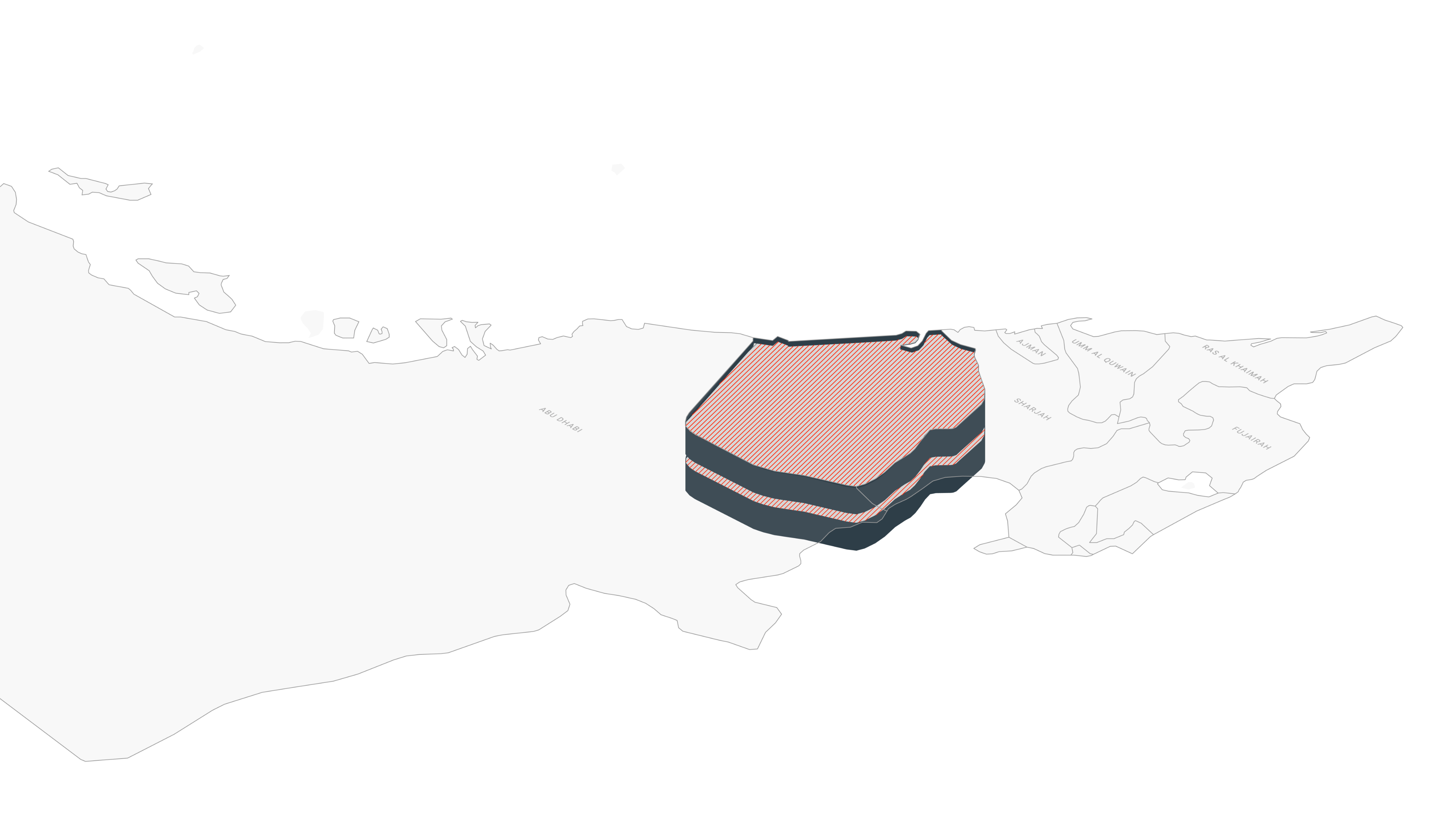
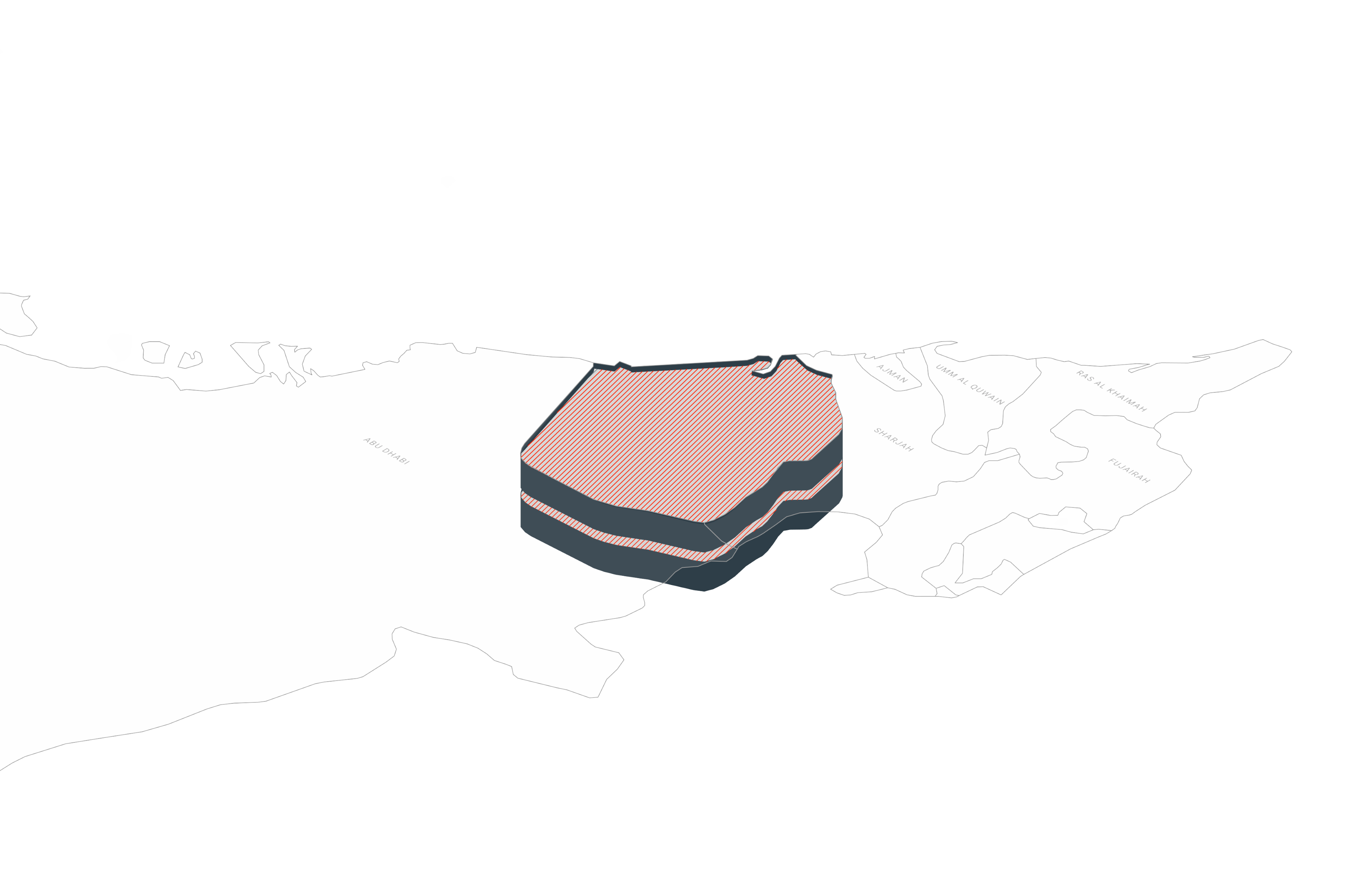
In 2022, 35,000,000,000 tons of steel and concrete were produced—enough to fill almost 2 swimming pools the size of Dubai, each with a depth of 2 meters.
By 2050, annual steel and concrete production is projected to reach ~43,000,000,000 tons.
Built Environment
Built Environment
/bɪlt ɛnˈvʌɪrə(n)m(ə)nt/ (research platform)
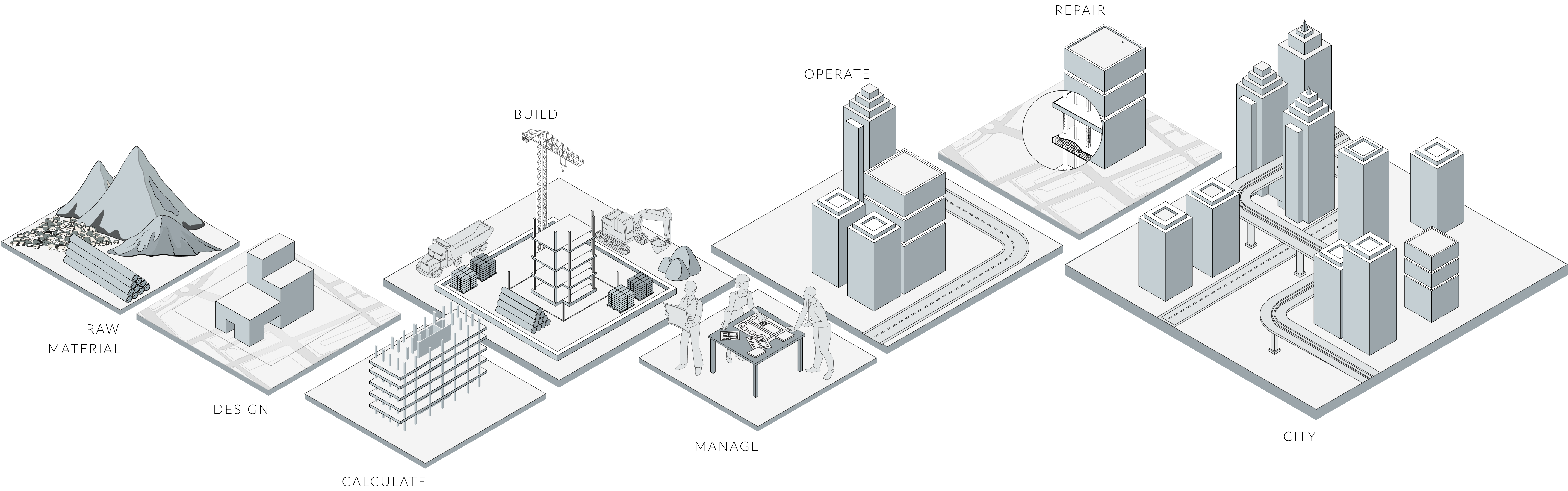
The Built Environment (tBE) is a research platform exploring the impact of the Architecture Engineering and Construction (AEC) industry on our expanding cities.
Our research spans across each phase of AEC ecosystem, focusing on efficiency potential to reduce carbon emissions and our impact on the natural environment.
Our research spans across each phase of AEC ecosystem, focusing on efficiency potential to reduce carbon emissions and our impact on the natural environment.

More Solutions
The Built Environment helps highlight innovation solutions to build more efficiently within each space.
More Solutions
The Built Environment helps highlight innovation solutions to build more efficiently within each space.
OUR ARTICLES
Explore insightful think pieces.